
Preventing pelvic floor issues is one of the best investments you can make in your long-term health. At Syracuse Pelvic PT, we believe that proactive care is the foundation of lifelong pelvic wellness. By learning how to support and strengthen your pelvic floor early, you can prevent a wide range of issues, improve your quality of life, and stay active and confident at any age.
Whether you’re experiencing early symptoms, preparing for pregnancy, recovering postpartum, or simply focused on maintaining comfort, mobility, and core strength, this guide will walk you through practical, evidence-based strategies to protect your pelvic floor and prevent future problems.
Understanding Pelvic Floor Anatomy
The pelvic floor is a complex group of muscles, ligaments, and connective tissues that span the base of your pelvis. These muscles support the bladder, bowel, and reproductive organs and play a key role in core stability and overall movement. A healthy pelvic floor is essential for:
- Bladder and bowel control, helping prevent leakage or urgency
- Core stability and maintaining proper posture
- Sexual health and comfort
- Supporting the spine, hips, and pelvic joints during daily activities and exercise
When the pelvic floor is weak, tight, or uncoordinated, it can contribute to issues such as urinary incontinence, pelvic organ prolapse, chronic pelvic pain, and discomfort during physical activity. At Syracuse Pelvic PT in Fayetteville, NY, our pelvic floor physical therapists carefully assess how these muscles are functioning and provide individualized guidance to build a strong, balanced foundation.
Proactive Pelvic Floor Exercises
Targeted exercise is one of the most effective ways to prevent pelvic floor dysfunction. Strengthening these muscles while maintaining flexibility and coordination can significantly reduce your risk of future issues.
Helpful exercises may include:
- Kegels: Improve pelvic floor strength and coordination. Proper technique is key, as doing too many or performing them incorrectly can create tension instead of support.
- Squats and lunges: Functional lower-body exercises that also engage the pelvic floor and core.
- Core stability exercises: Movements such as bridges, dead bugs, or modified planks help support the pelvis and spine in daily life and during exercise.
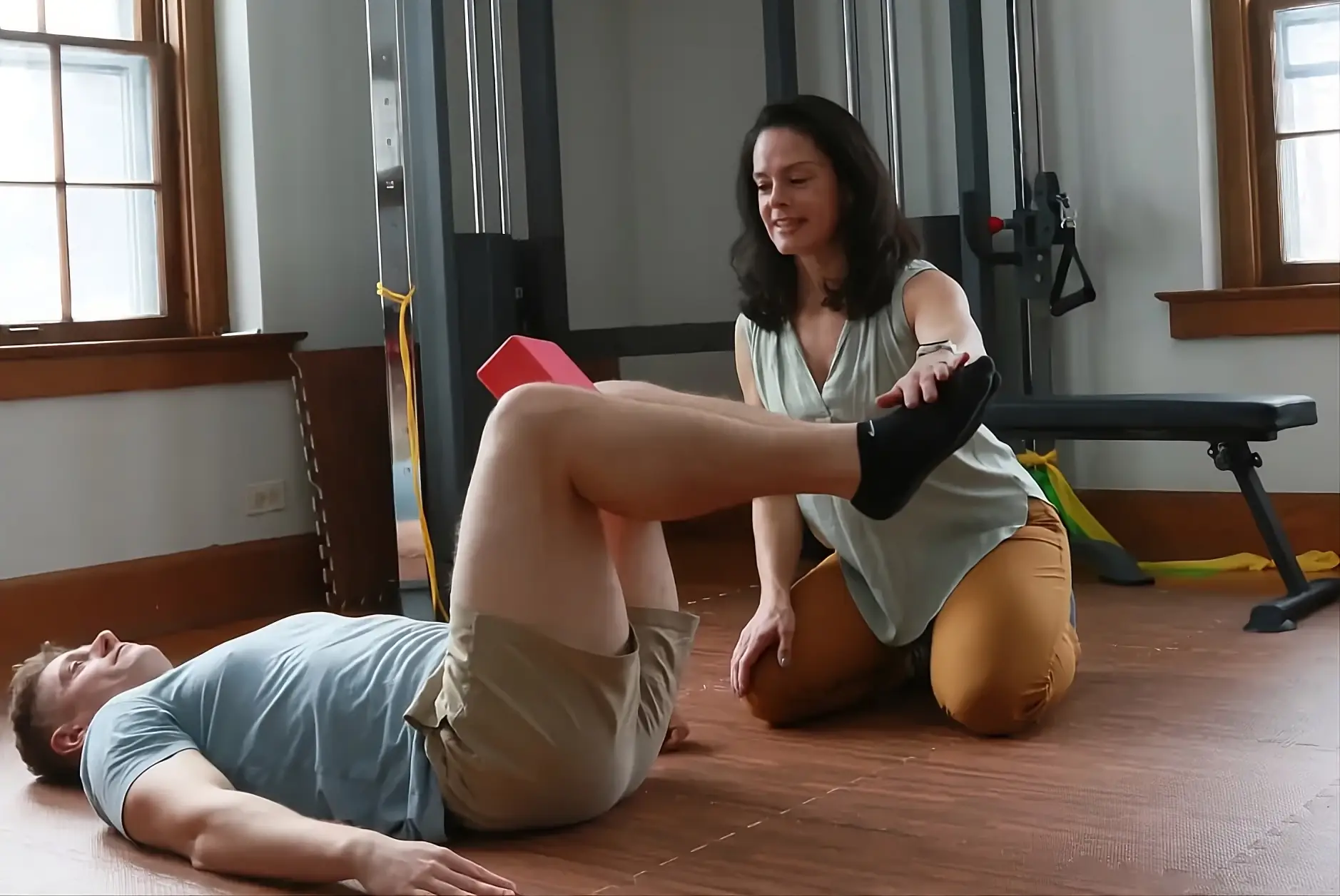
A pelvic floor physical therapy evaluation ensures you are targeting the right muscles safely and effectively, with personalized guidance to match your body’s needs.
Lifestyle Habits That Support Pelvic Health
Small daily habits can have a big impact on pelvic floor health. Key strategies include:
- Maintaining a healthy body weight to reduce unnecessary pressure on the pelvic muscles
- Practicing good posture while sitting, standing, and lifting
- Taking regular movement breaks to avoid prolonged sitting
- Using proper lifting mechanics, especially during work or home tasks
Incorporating these habits into your daily routine helps protect your pelvic floor over time and supports long-term wellness.
Nutrition and Hydration for Pelvic Floor Health
Digestive health is closely linked to pelvic floor function. Chronic constipation, straining, or irregular bowel movements can place repeated stress on the pelvic muscles. Supporting your system with simple strategies can reduce this strain:
- Drink adequate water throughout the day to maintain healthy digestion
- Eat a fiber-rich diet including fruits, vegetables, and whole grains
- Avoid habitual straining or breath-holding during bowel movements
These habits help maintain pelvic floor strength and prevent dysfunction caused by unnecessary pressure or tension.
Pregnancy and Postpartum Pelvic Floor Care
Pregnancy and childbirth place unique demands on the pelvic floor. Hormonal changes, increased weight, and delivery can temporarily weaken or stretch the muscles and connective tissues. Proactive care before, during, and after pregnancy can reduce the risk of long-term issues and speed recovery.
Prenatal Pelvic Floor Education
Understanding how your pelvic floor works during pregnancy is the first step in prevention. Key strategies include:
- Learning gentle Kegel exercises tailored to pregnancy to maintain strength without over-contracting
- Understanding how to engage your core and pelvic muscles during daily movements
- Recognizing signs of pelvic floor tension, discomfort, or early leakage so you can address them early
Safe Movement During Pregnancy
Maintaining mobility and fitness during pregnancy supports pelvic floor health, reduces discomfort, and improves recovery postpartum. Recommended strategies include:
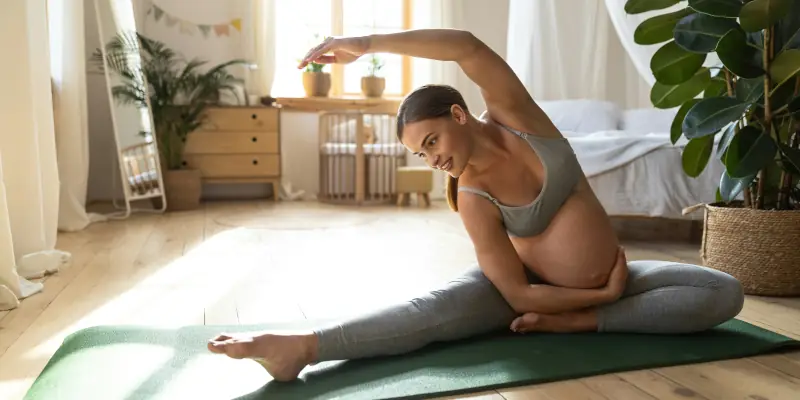
- Low-impact exercises such as walking, swimming, or prenatal yoga
- Strengthening the glutes, hips, and core to reduce stress on the pelvic floor
- Using proper posture when lifting, bending, or standing for long periods
- Incorporating breaks to sit, stretch, or gently shift positions, especially in later pregnancy
Postpartum Pelvic Floor Rehabilitation
After childbirth, early attention to the pelvic floor can prevent issues like incontinence, prolapse, or chronic pelvic pain. Important steps include:
- Gentle activation exercises to rebuild strength and coordination
- Breathing and core re-engagement to restore normal muscle function
- Gradual progression to functional movements, lifting, and exercise
- Addressing any pain, heaviness, or leakage with a pelvic floor physical therapist
Practical Daily Tips for Pregnancy & Postpartum Care
- Take breaks to avoid prolonged sitting or standing; small, frequent movement is key
- Use supportive seating, maternity belts, or pillows to reduce pelvic strain
- Maintain hydration and a fiber-rich diet to prevent straining during bowel movements
- Listen to your body—don’t push through pain or discomfort, and seek professional guidance early
Why Early Assessment Matters
Even if you don’t notice symptoms immediately, early postpartum evaluation can identify subtle weaknesses or imbalances. At Syracuse Pelvic PT, our team helps new parents:
- Restore pelvic floor and core strength safely
- Prevent long-term dysfunction or injury
- Gain confidence with daily activities, exercise, and intimate health
Regular Pelvic Health Screenings Matter
Pelvic floor issues often develop gradually and may not cause noticeable symptoms until they become more serious. Regular check-ins with a pelvic health physical therapist can:
- Identify early signs of dysfunction
- Prevent progression of symptoms
- Provide individualized prevention and exercise programs
Proactive care can often prevent the need for more invasive treatments later, helping you maintain comfort and function for years to come.
The Mind-Body Connection in Pelvic Health
Stress, anxiety, and chronic tension frequently affect the pelvic floor, causing tightness, spasms, or pain. Incorporating relaxation techniques into your routine can help normalize muscle tone and improve coordination between your nervous system and pelvic floor muscles. Effective strategies include:
- Diaphragmatic breathing and gentle breathwork
- Mindfulness or meditation to reduce tension and stress
- Light stretching or yoga that emphasizes pelvic mobility and relaxation
Educational Resources and Ongoing Learning
Knowledge is power. Staying informed about pelvic health empowers you to protect your body, recognize early warning signs, and adopt healthy habits before issues arise. At Syracuse Pelvic PT, patient education is a core part of our prevention and wellness programs.
Conclusion: Take a Proactive Approach to Pelvic Health
Preventing pelvic floor issues starts with awareness, education, and consistent, healthy habits. By understanding your anatomy, practicing targeted exercises, maintaining good lifestyle habits, and seeking professional guidance when needed, you can protect your pelvic health for years to come.
If you’re in Syracuse, Fayetteville, or the surrounding Central New York area, the team at Syracuse Pelvic PT is ready to help you build a strong, resilient pelvic floor and prevent future problems. Small, intentional steps today can lead to lasting pelvic wellness tomorrow.